
Eastern Medieval Helmets
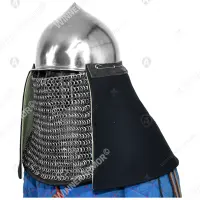
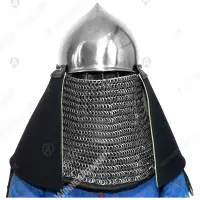
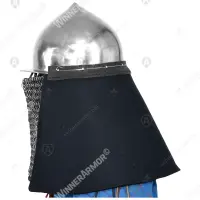
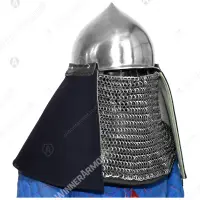
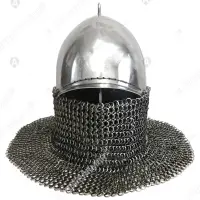
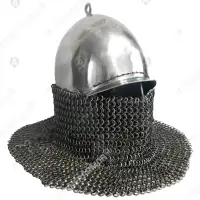
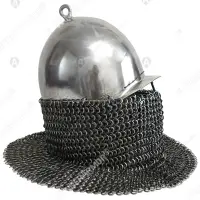
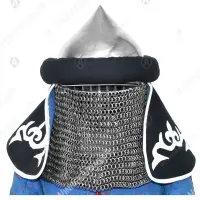
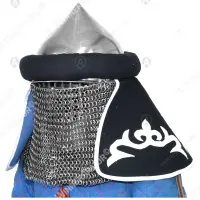
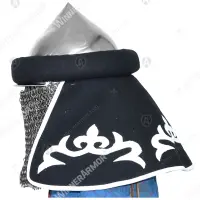
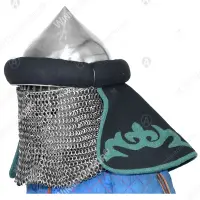
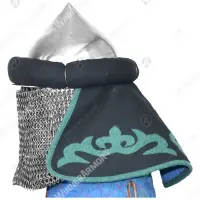
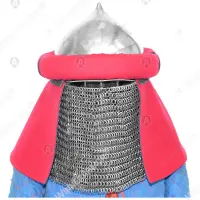
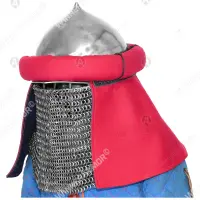
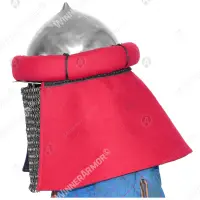
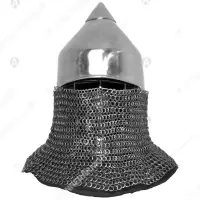
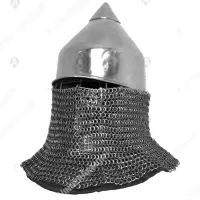
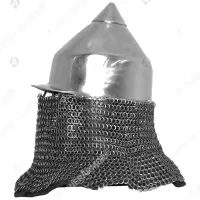
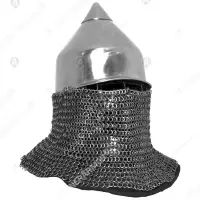
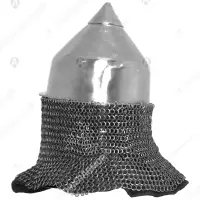
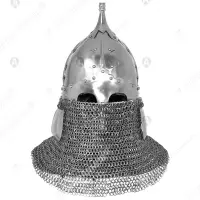
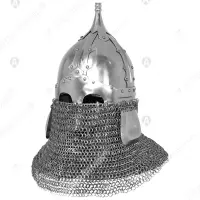
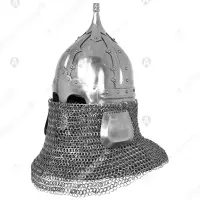
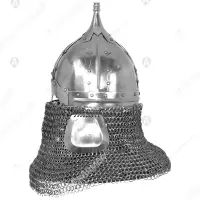
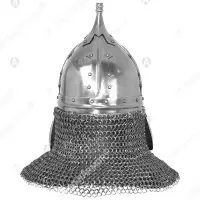
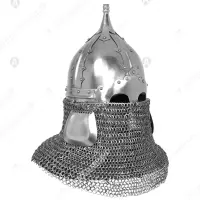
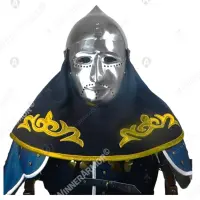
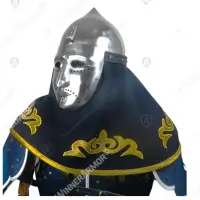
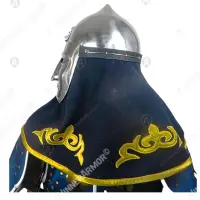
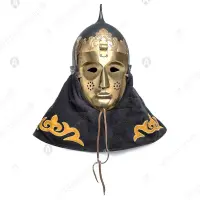
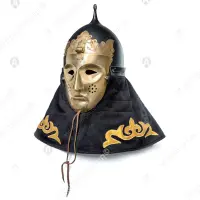
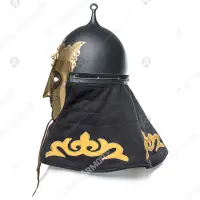
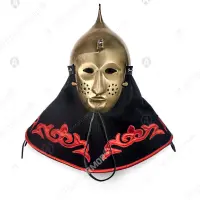
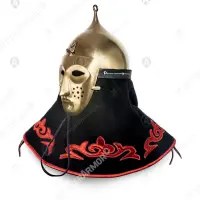
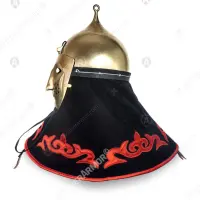
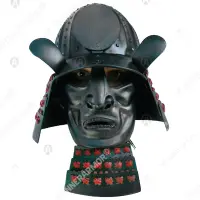
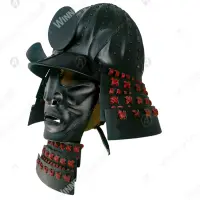
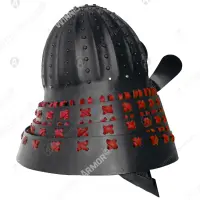
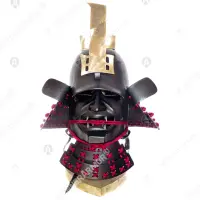
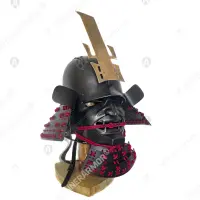
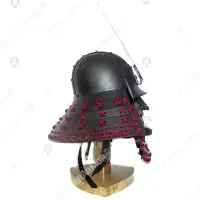
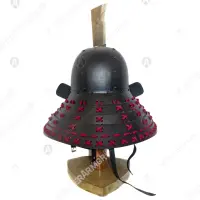
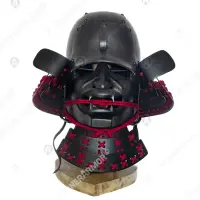
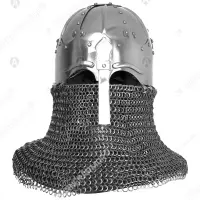
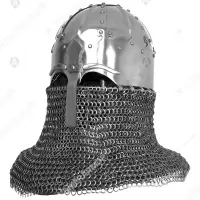
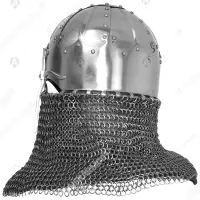
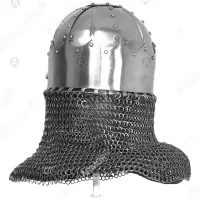
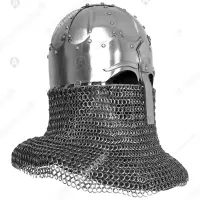
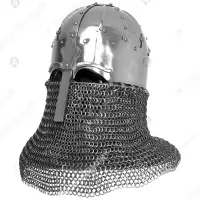
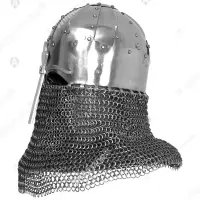
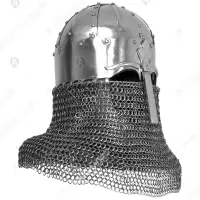
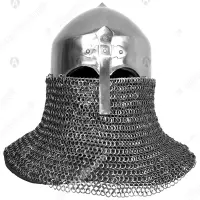
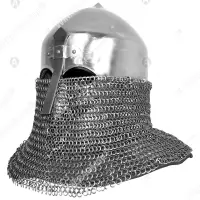
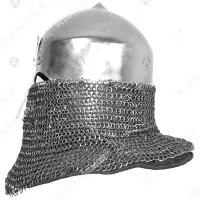
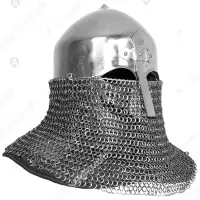
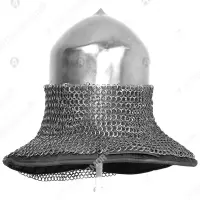
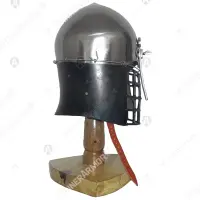
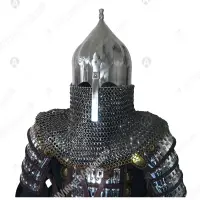
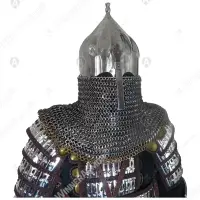
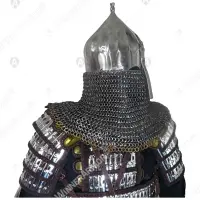
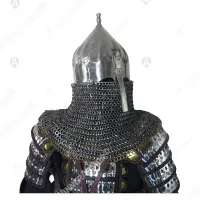
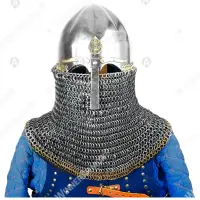
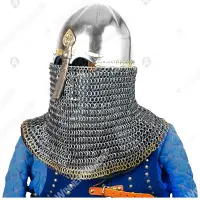
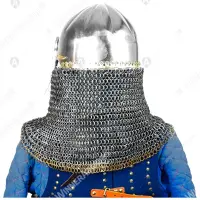
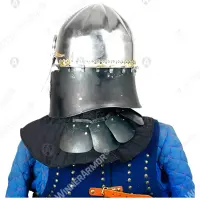
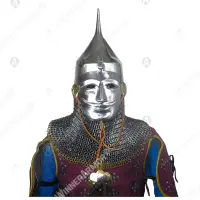
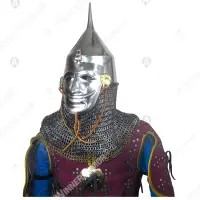
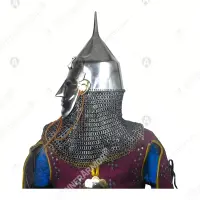
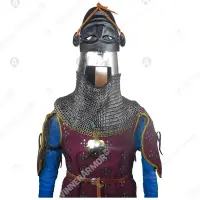
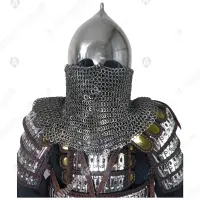
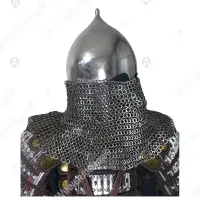
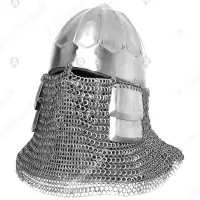
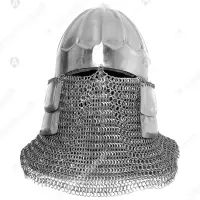
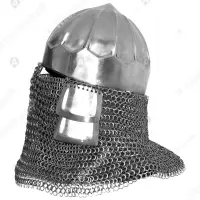
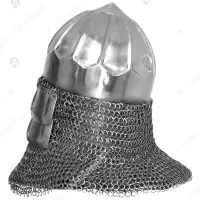
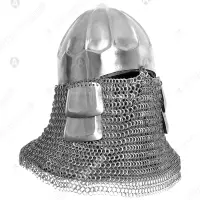
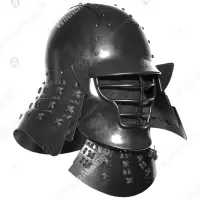
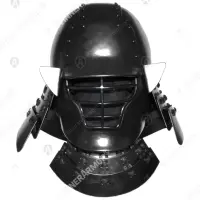
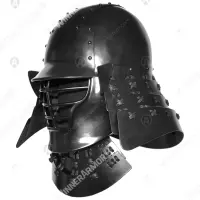
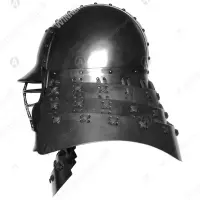
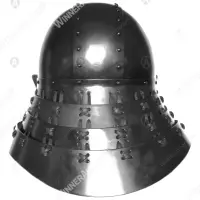
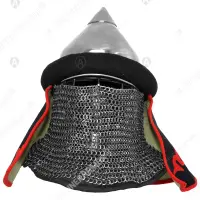
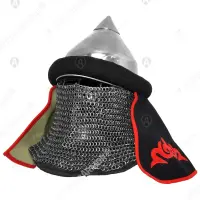
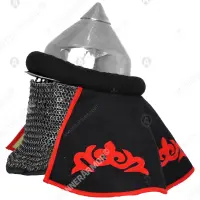
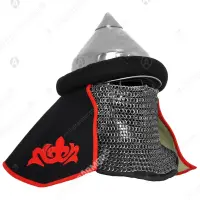
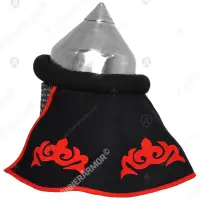
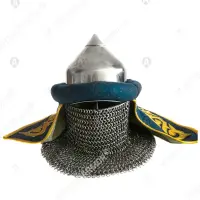
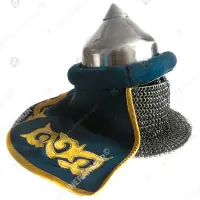
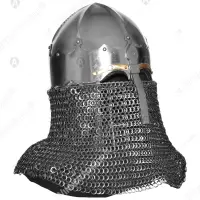
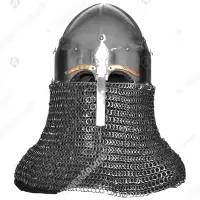
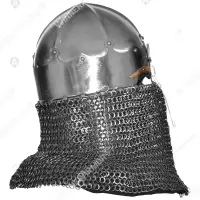
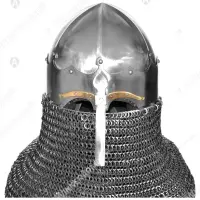
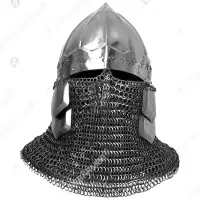
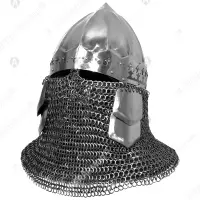
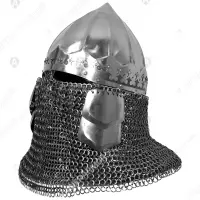
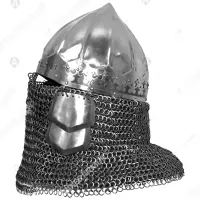
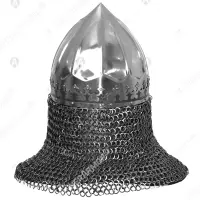
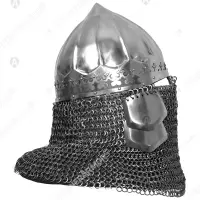
Eastern helmets for full-contact historical fighting are chosen for a practical balance of protection and handling. Dome geometry and brow reinforcement are built to manage repeated head impacts, while the face section is shaped for clinch pressure and hard exchanges. The designs are developed with reference to historical sources and period analogues across Eastern traditions, without claiming absolute reconstruction.
Mobility is part of safety: vision, airflow, and weight distribution affect turns, posture, and distance work. Eye-line and cutouts are kept functional for forward and diagonal sectors, and face ventilation helps control heat in rounds. Pick a model that matches your stance and clinch habits so neck movement stays predictable.
Fit is what keeps steel doing its job. A working liner and suspension, correct strap anchoring, and controlled internal play reduce lift on impact and keep the helmet stable during active body movement. Geometry and sizing account for common head anatomy—head shape, nasal bridge height, and occipital profile—while final tuning is done through padding and strap adjustment, not automatic bespoke measuring.
For long service life, focus on durability and repairability: replaceable straps, accessible fasteners, and components that can be serviced between events. The helmets can be configured with common rulesets in mind (HMB, IMCF, and other formats), but event inspectors make the final call at control, and it depends on configuration and equipment condition on the day.