
Combat Swords: Safe Geometry and Balance
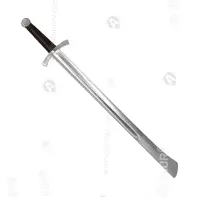
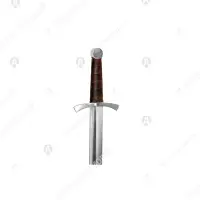
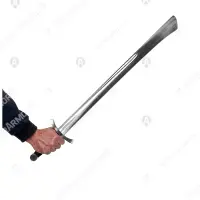
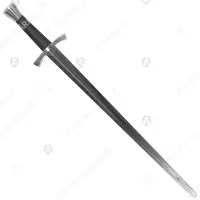
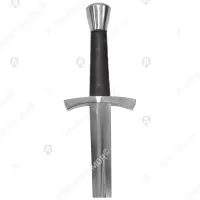
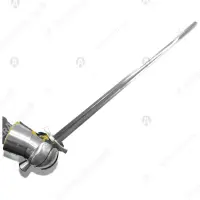
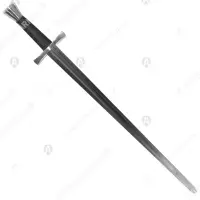
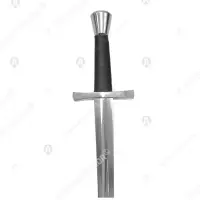
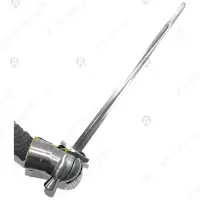
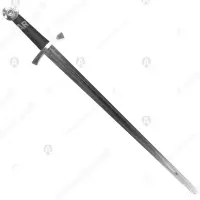
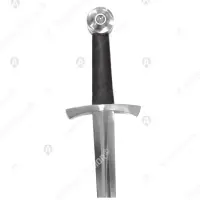
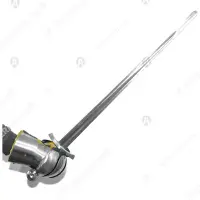
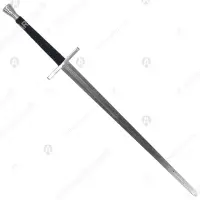
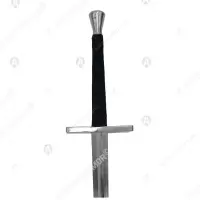
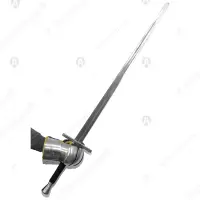
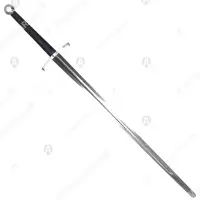
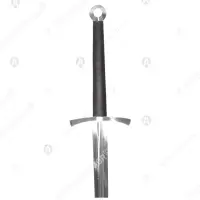
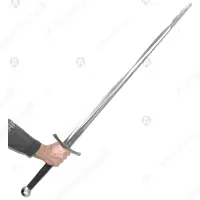
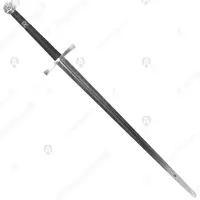
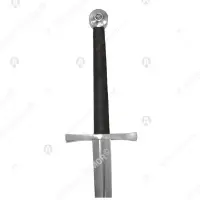
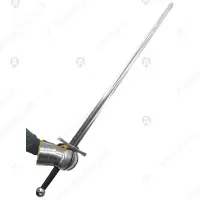
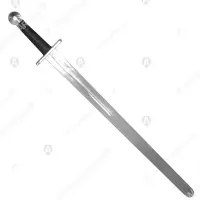
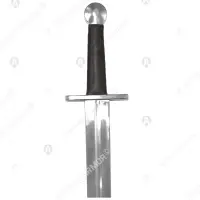
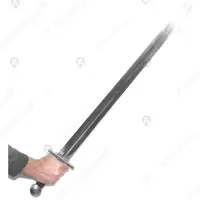
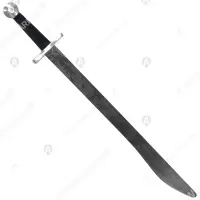
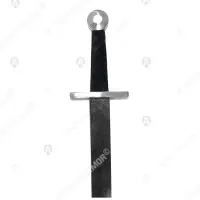
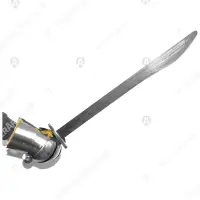
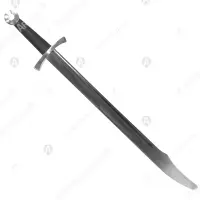
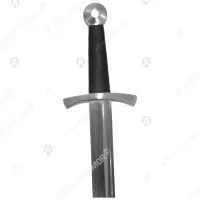
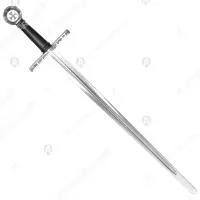
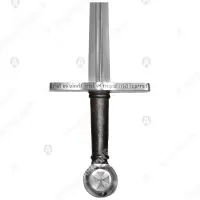
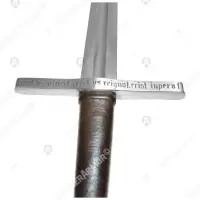
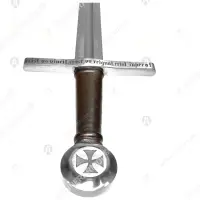
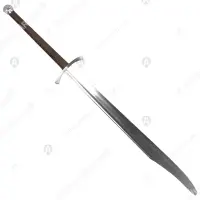
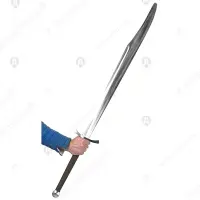
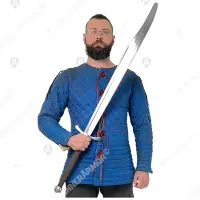
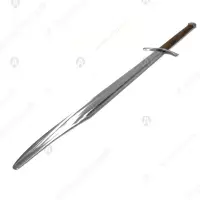
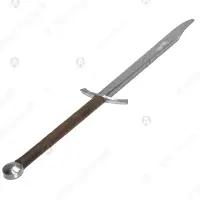
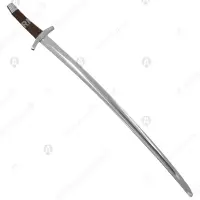
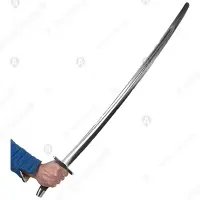
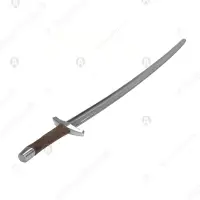
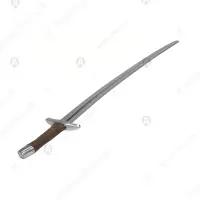
A sword in full contact historical combat is a tool for distance and tempo control, not a sharp weapon. This category includes steel swords with geometry designed for contact work: controlled edge thickness and rounding, predictable behavior on binds, and stable handling in combinations and clinch. Manufacturing is guided by historical sources and analogs: proportions, blade profile, and guard types follow proven prototypes while being adapted for ring use.
Mobility comes from balance, length, and mass. The hilt and guard are shaped for a gloved grip so the hand stays locked-in and the blade does not twist under contact. We offer practical size options (overall length and grip length) to help match your build and fighting style without implying default one-off tailoring. The result is a sword that feels consistent across training and sparring.
For durability, focus on steel choice, heat treatment, and serviceable assemblies. The blade is intended for strikes, binds, and work against armor; guard and pommel are built to take load and support repairability—tightening, replacing wear parts, and post-season straightening/clean-up. For safe use, keep edges free of burrs, check for looseness, and inspect after sessions to reduce injury risk and premature wear.
Event checks typically look at safe geometry, overall integrity, and compliance with the specific rule set. We keep parameters within common inspection practice across different formats (including HMB and other leagues), but approval depends on the event rules and the marshals’ decision. If you are buying for a particular regulation, verify allowed lengths/weights and clarify details in advance.