
Round Pommel Longsword Type 2 for Buhurt
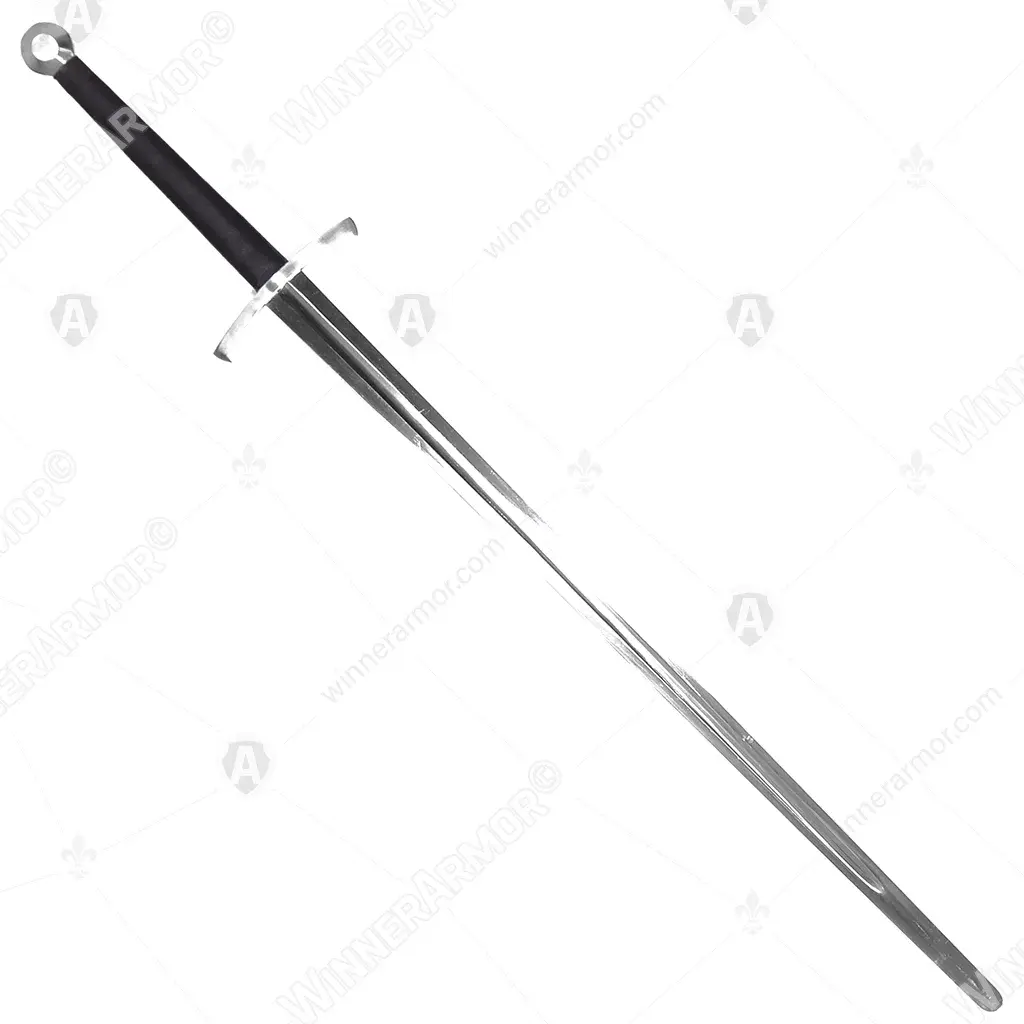
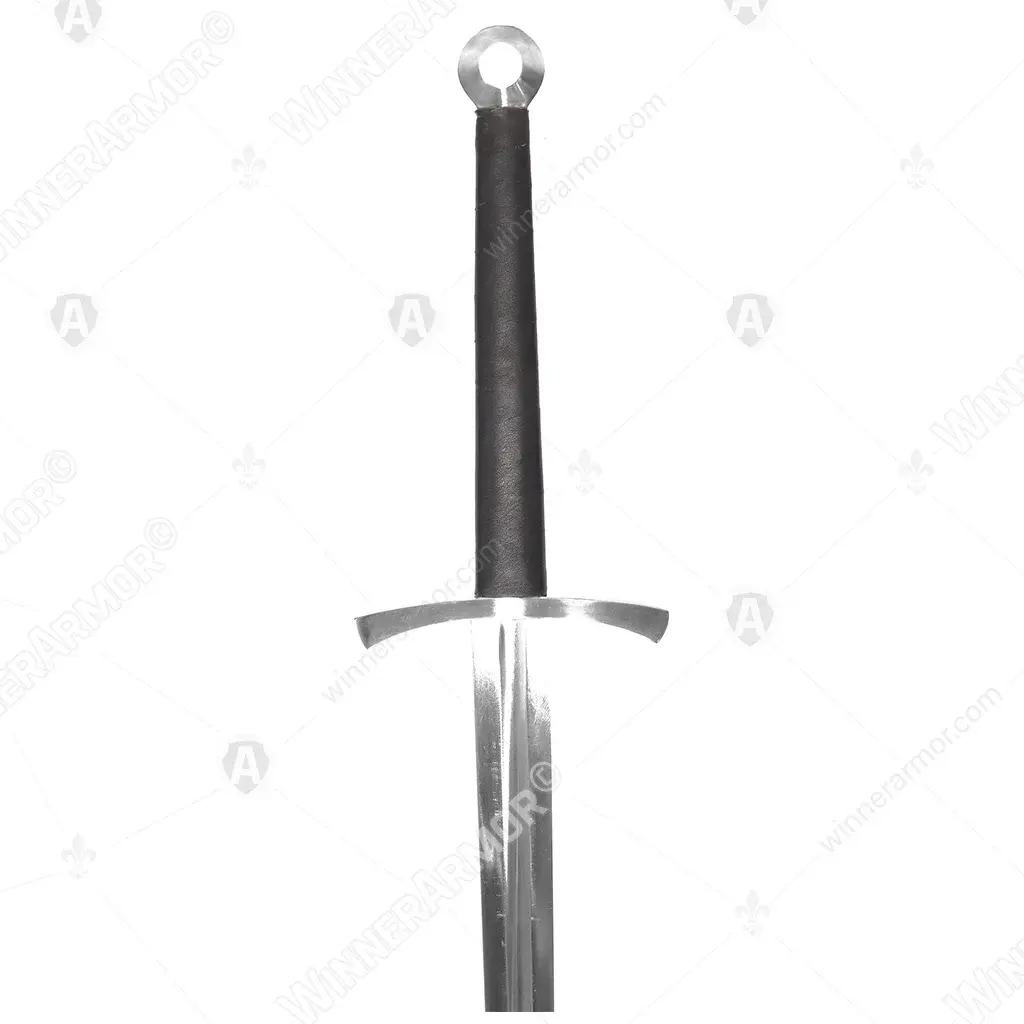
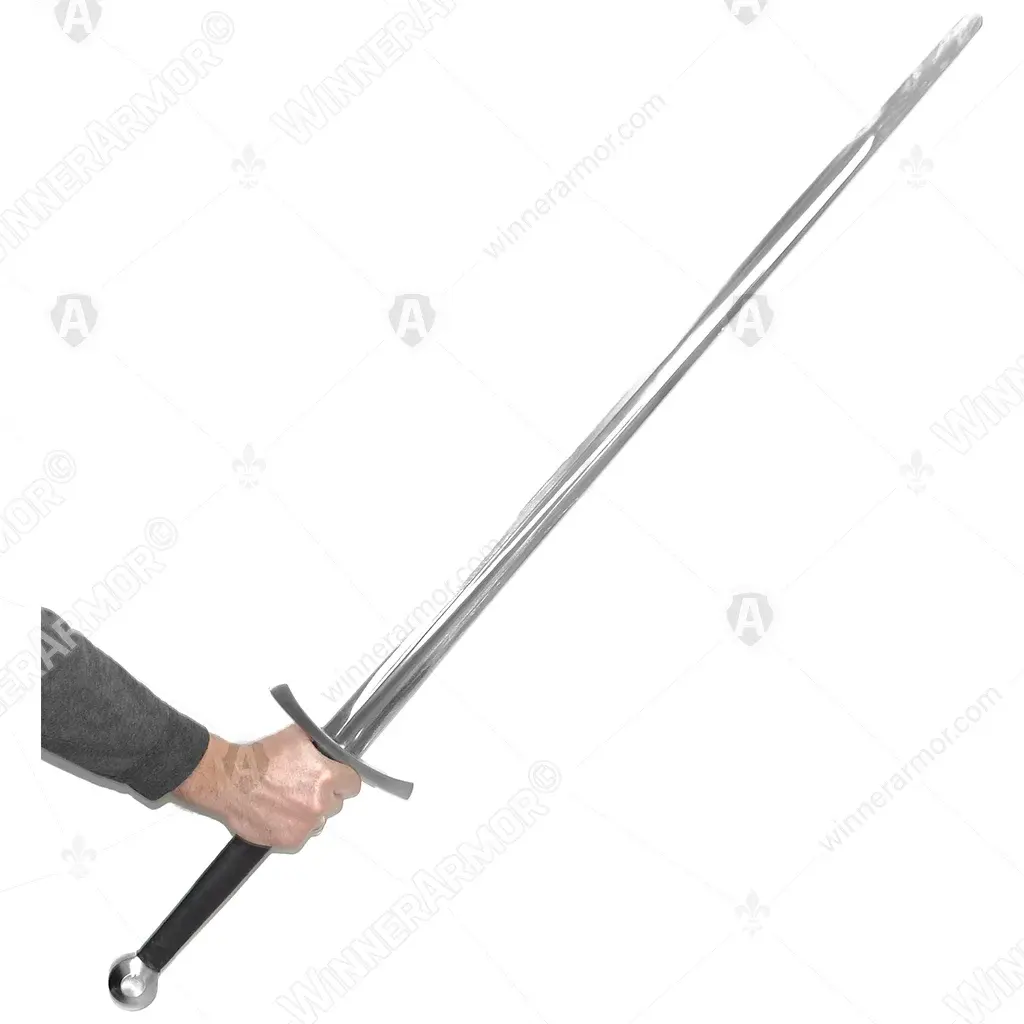
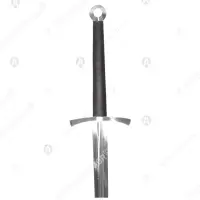
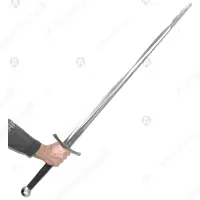


The round pommel longsword (Type 2) is built as a working tool for full-contact medieval combat and regular training. Its design is guided by historical European prototypes and modern armored-use requirements, without claiming absolute replica precision.
Specs: 122 cm overall length, 2.07 kg weight, 4 mm blade thickness. The blade is unsharpened with a rounded tip, reducing puncture/cut hazards during high-contact exchanges and blade-on-blade work. The mass and geometry support reliable control through line changes, combinations, and pressure-based actions typical for armored fighting.
The hilt with a round pommel helps keep grip feedback consistent under load during strikes, binds, and clinch control. Proportions are intended for use with gauntlets and to keep mobility in transitions while limiting snagging on kit.
Regarding tournament checks: the sword follows common safe-geometry expectations (blunt edge and rounded point) used across buhurt/full-contact formats (including HMB/IMCF and similar rulesets). Still, approval depends on the specific event rules, weapon condition, and the judges’ inspection.
Use & maintenance: inspect edges for burrs or dents after fights, remove sharp spots, monitor guard/hilt tightness, and keep the blade dry with light oil. This routine supports service life and helps avoid issues at technical control.