
Slavic “Gnezdovo” helmet with concealed face and neck coverage
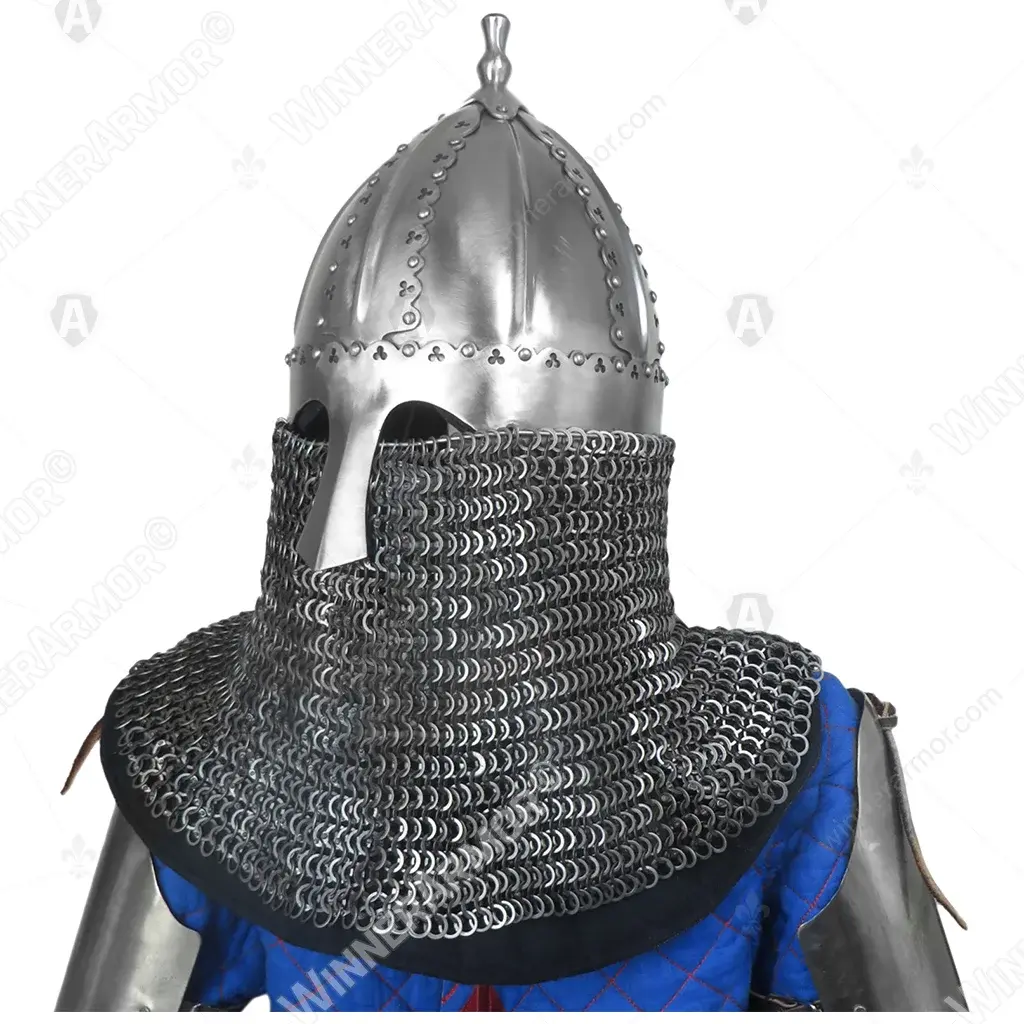
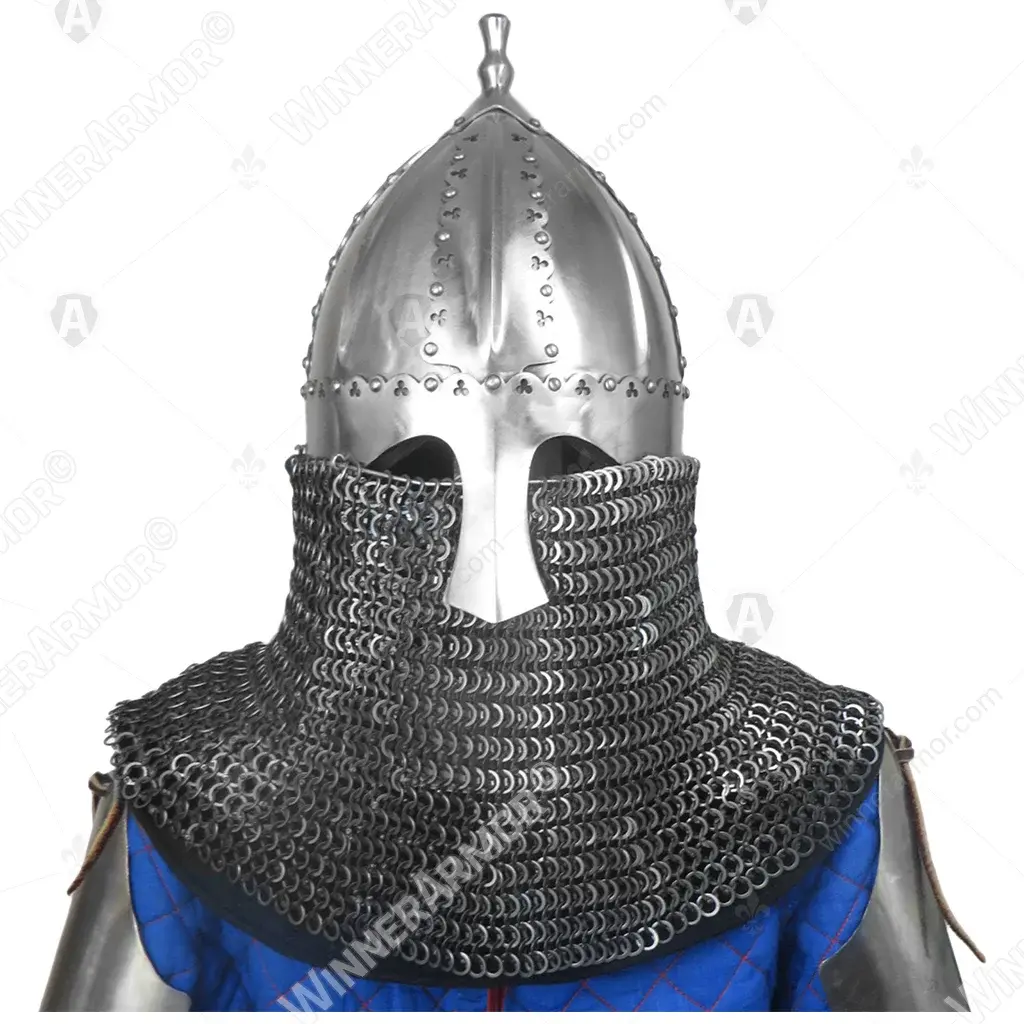
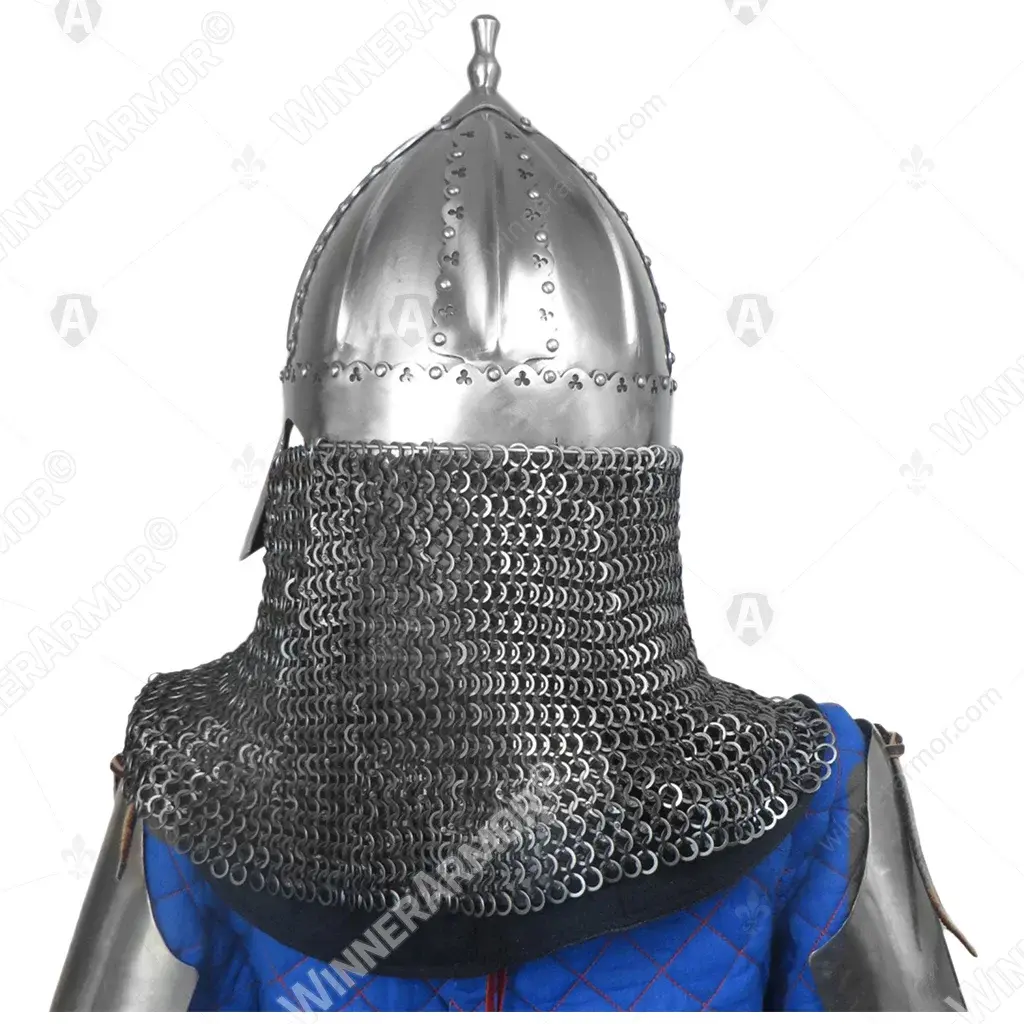
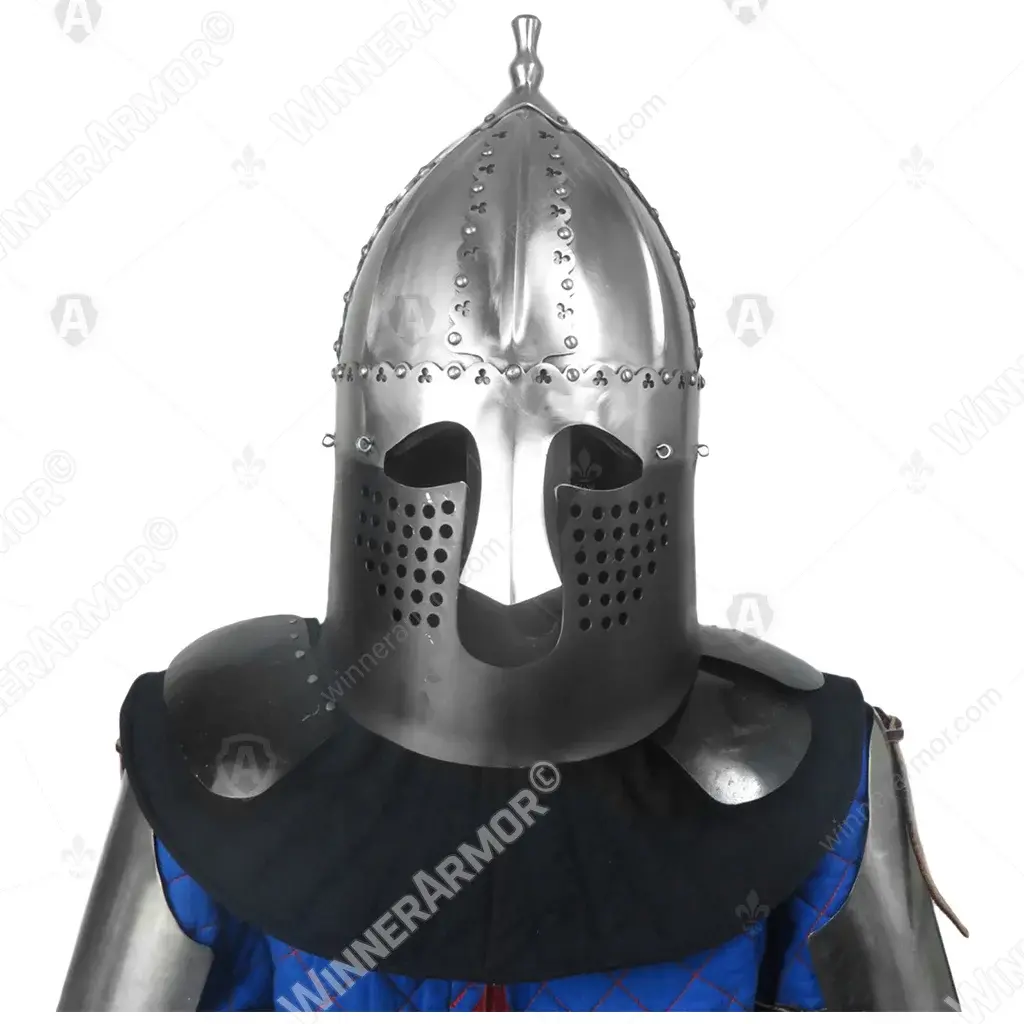
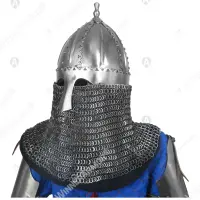
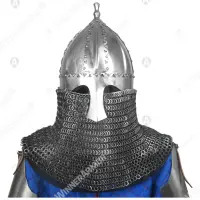
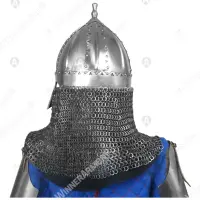



The Slavic “Gnezdovo” helmet is built with reference to historical sources and period analog prototypes, reflecting the equipment of a noble Slavic warrior of the 10th century. Dome geometry and edge lines are tuned for full-contact impact cycles: stability in clinch pressure, controlled shift under hits, and reduced chance of the rim dropping into the line of sight.
A key feature is concealed face and neck coverage. The protective contour stays compact to limit snag points while still closing off vulnerable zones around the face line and neck. The perimeter is complemented by a chainmail aventail to cover the neck area and help manage transitions to gorget/shoulders in crowded fighting.
The kit includes a soft padded liner to spread load and increase durability over repeated impacts. Straps allow practical tuning of tension and position so the helmet stays centered during turns, grappling, and shield pressure.
Serviceability matters for season use: routine checks of straps, rivets, and edges keep the helmet working and simplify field repairs. For tournaments, the build is generally aligned with common safety inspection expectations, but rules compliance is always determined by the specific league/format (IMCF, HMB, ACL, etc.) and the condition of your full kit at inspection.