
Mail-and-Plate Bakhterets for Full Contact Fighting
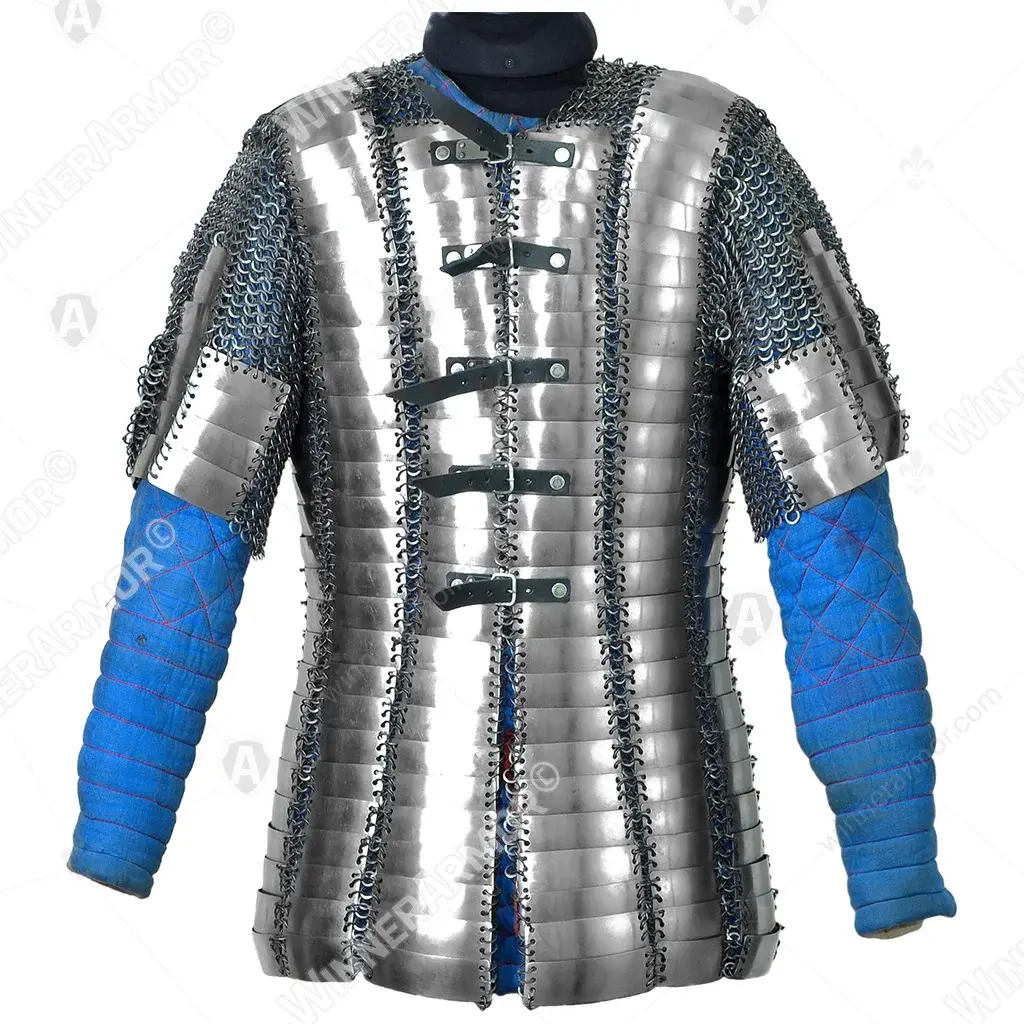
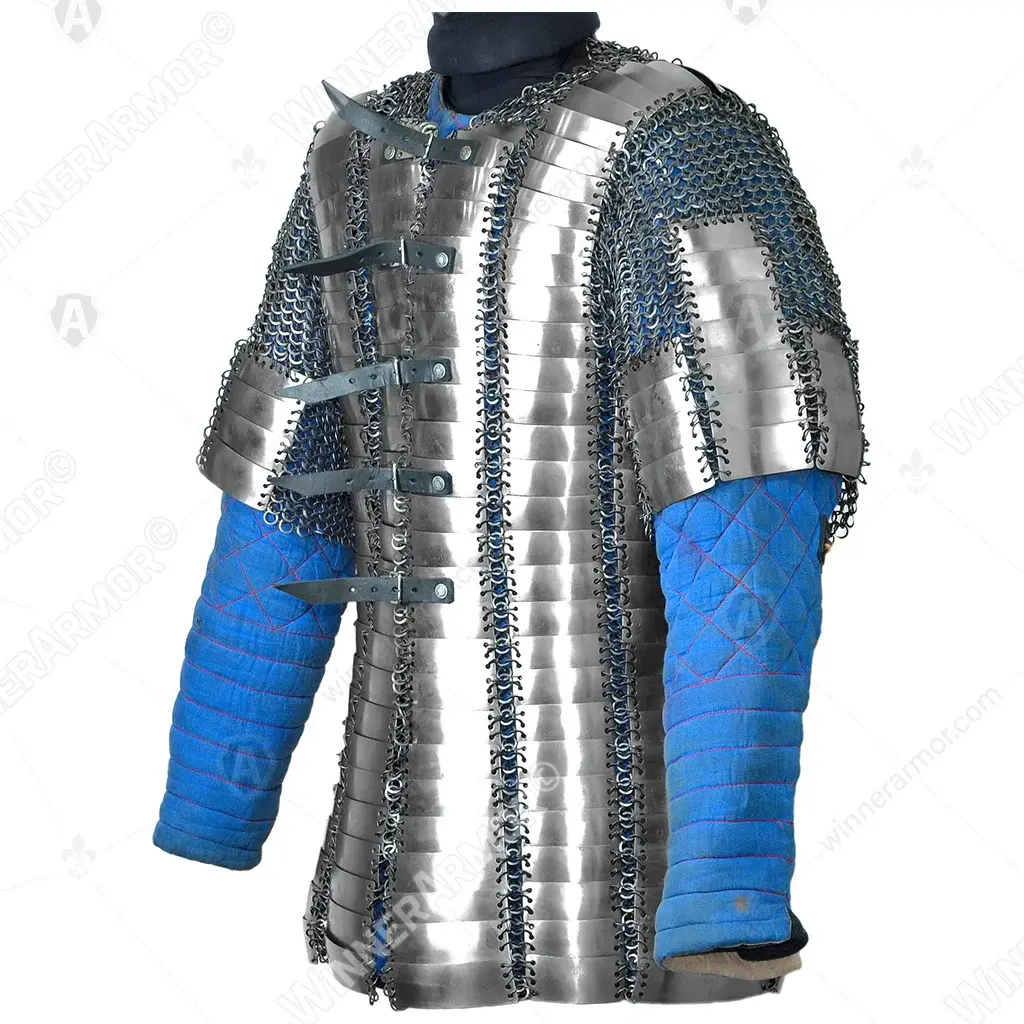
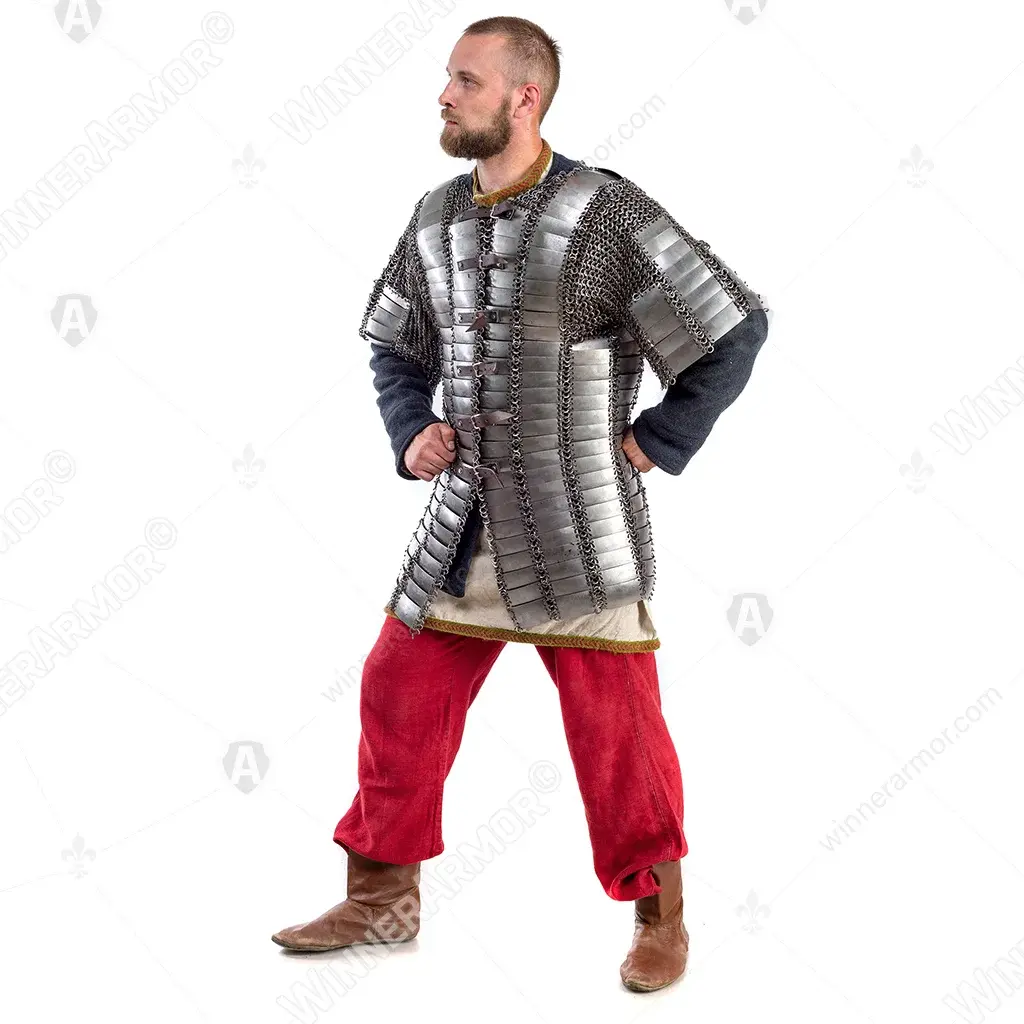
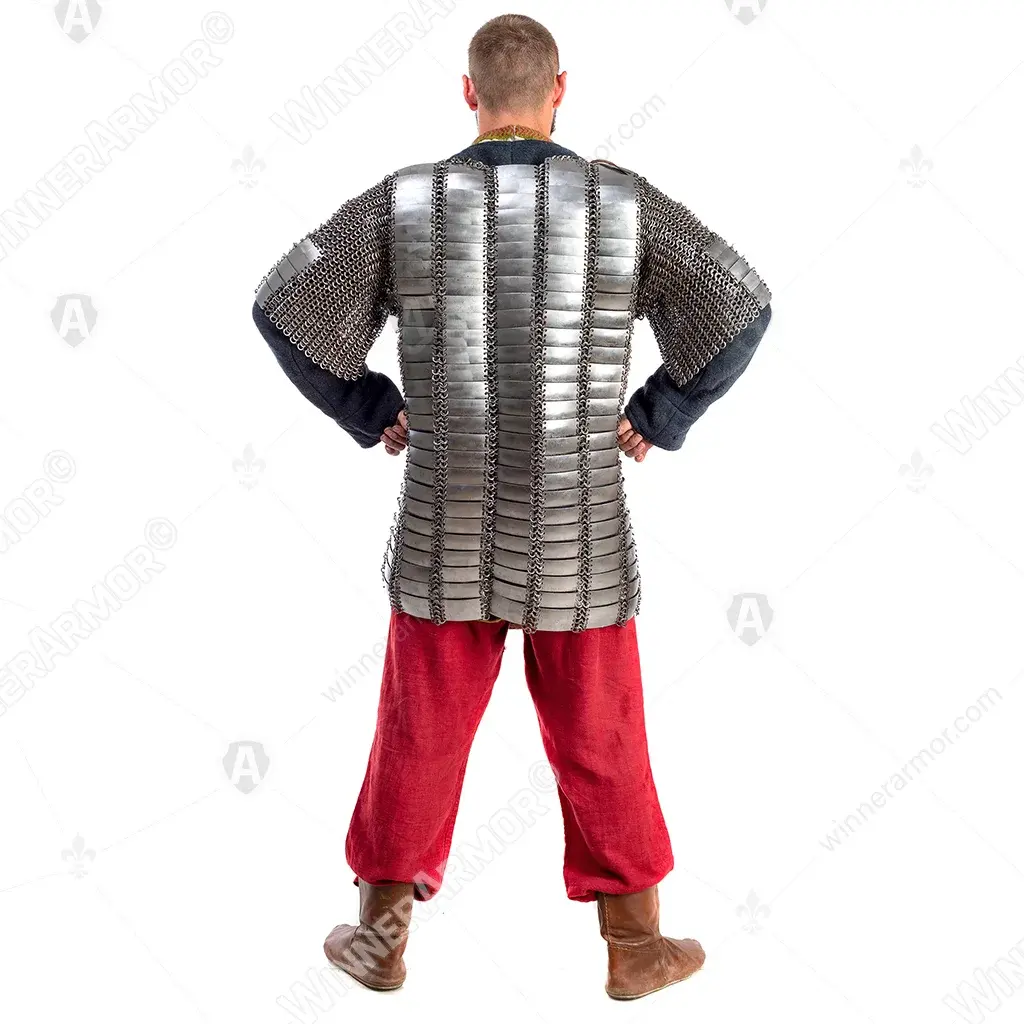
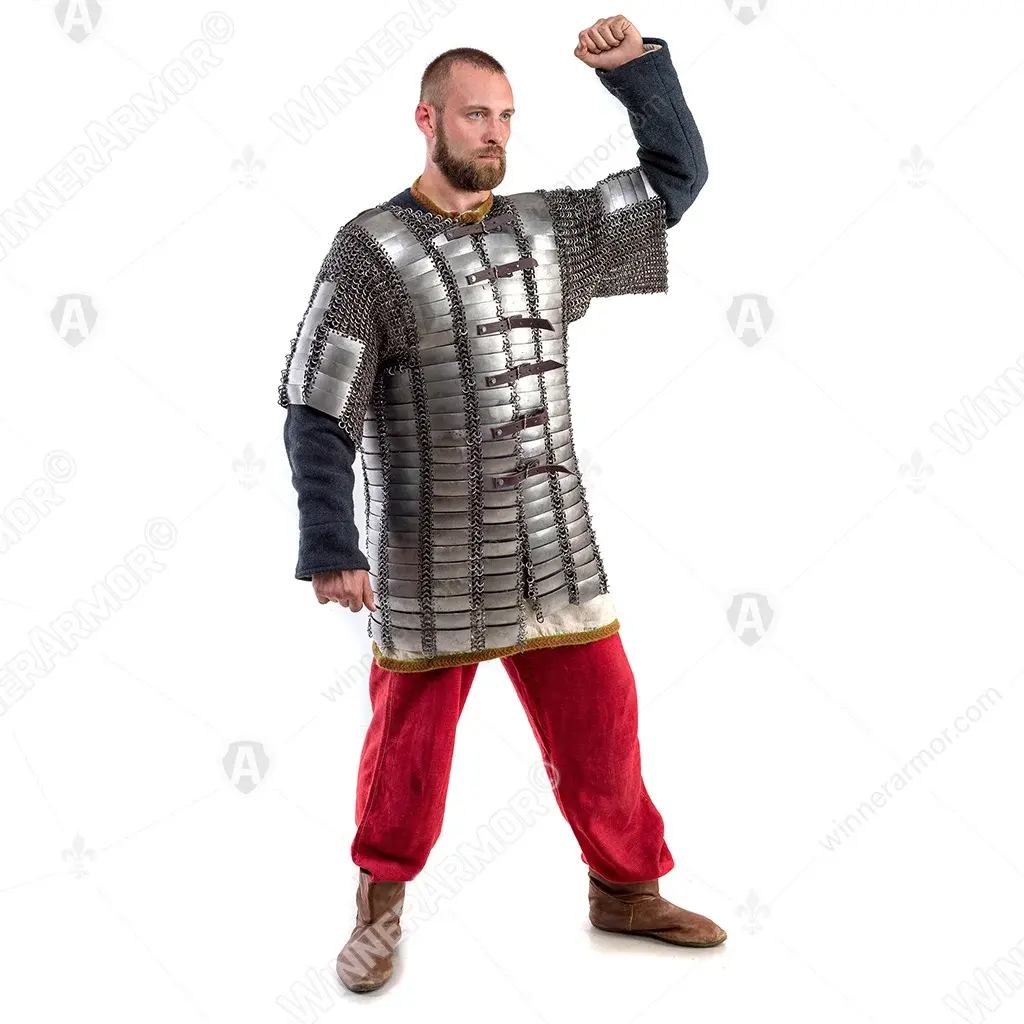

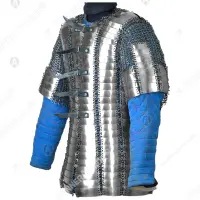
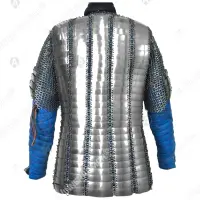
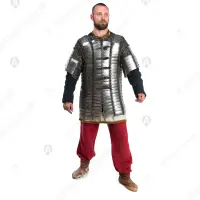
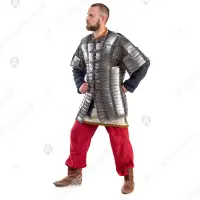
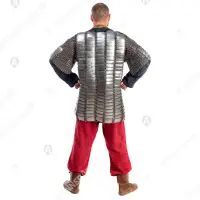
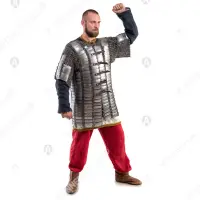



Bakhterets is a mail-and-plate armor type known across the Muslim East and Russia in the 16th–17th centuries. Production is oriented on historical sources and proven analog prototypes: silhouette, plate layout, and the ring-linked assembly follow documented examples rather than modern fantasy styling.
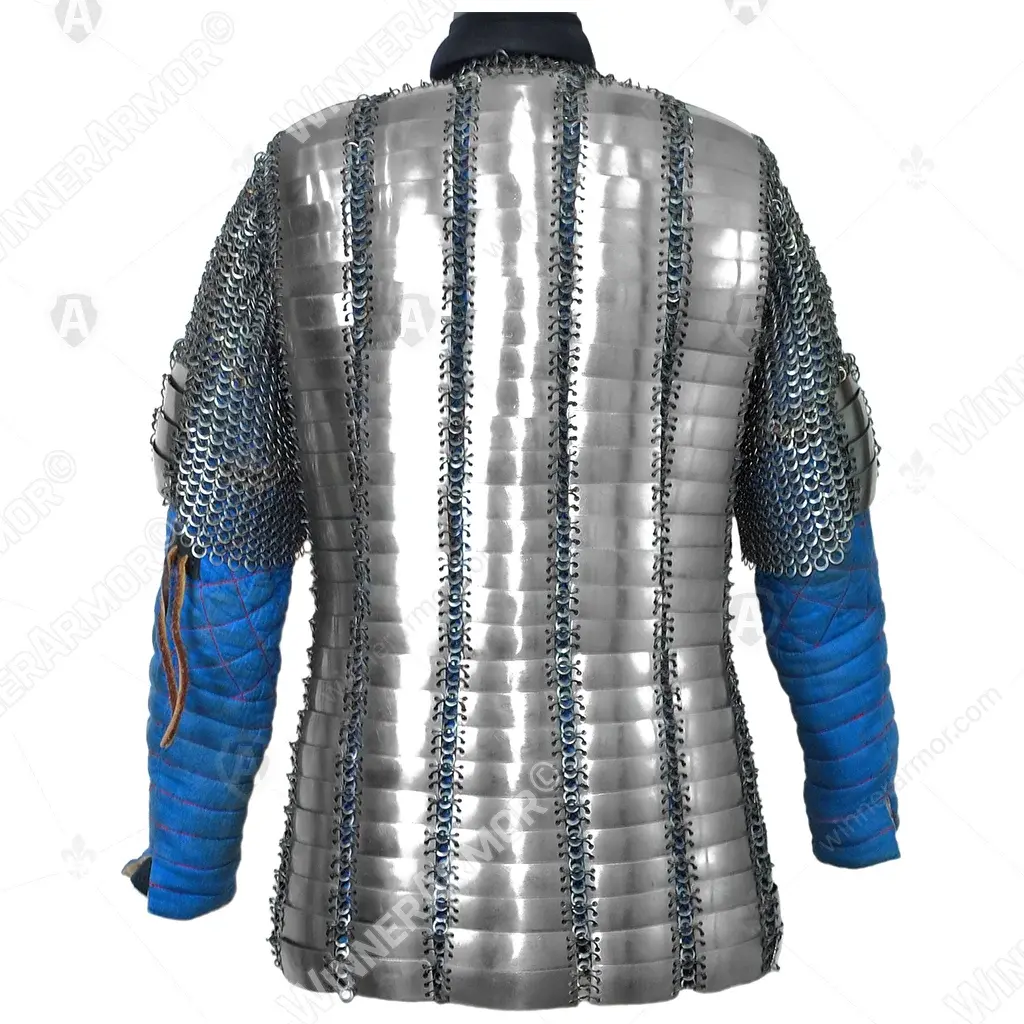
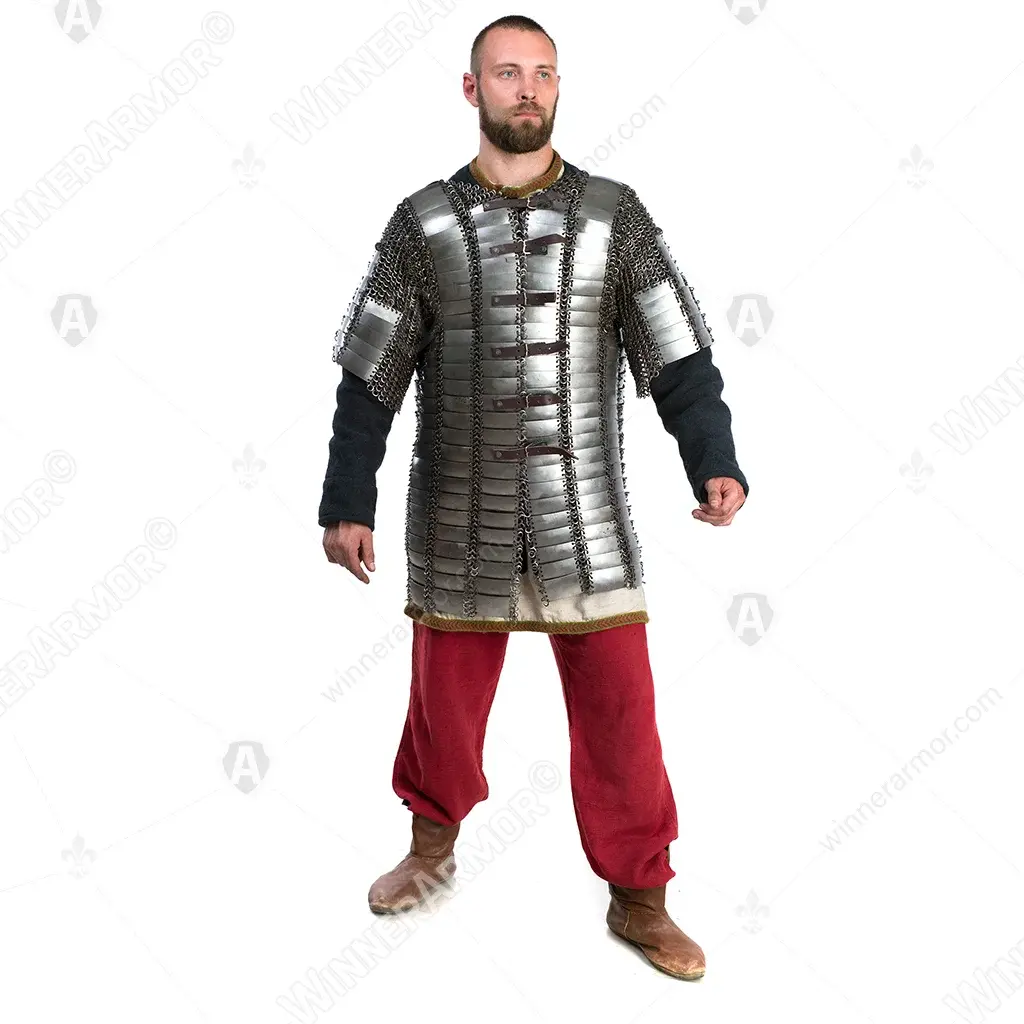
For full contact armored combat, the design balances impact management and movement. Overlapping plate fields provide rigid torso coverage, while seams linked with riveted rings add controlled articulation for breathing, clinch work, and shoulder mechanics. The torso is covered all around; the front uses strap closure to adjust volume over padding and keep donning practical.
- Protection: plate zones over chest/back with reinforced seams along the ring-linked rows.
- Mobility: mail areas at the shoulder line and sleeves reduce binding during strikes and grappling.
- Fit: geometry accounts for body proportions (ribcage, waist, shoulder blades); fine tuning is done via straps and padding layers.
- Serviceability: rings, rivets, and straps are replaceable; local repairs are typically possible without full disassembly.
Use & care: wear over a dense gambeson, keep straps evenly tensioned, inspect ring tracks on load-bearing seams, dry after sessions, and apply light corrosion protection as needed.
About tournament checks: the armor is developed with common requirements in mind (IMCF, HMB, and other formats), but eligibility depends on selected parameters, your full protective kit, and the specific event rules. Always verify coverage and technical specs with the organizer’s regulations.